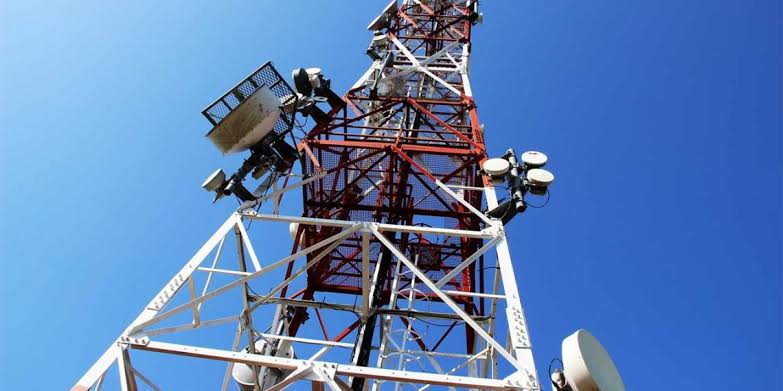
On Friday, Nigeria’s 9mobile changed its name to T2. The company wants to be a digital-first telecom provider that focuses on innovation and customer service.
Obafemi Banigbe, the CEO, said that the rebranding was more than just a new name; it was a complete change in strategy.
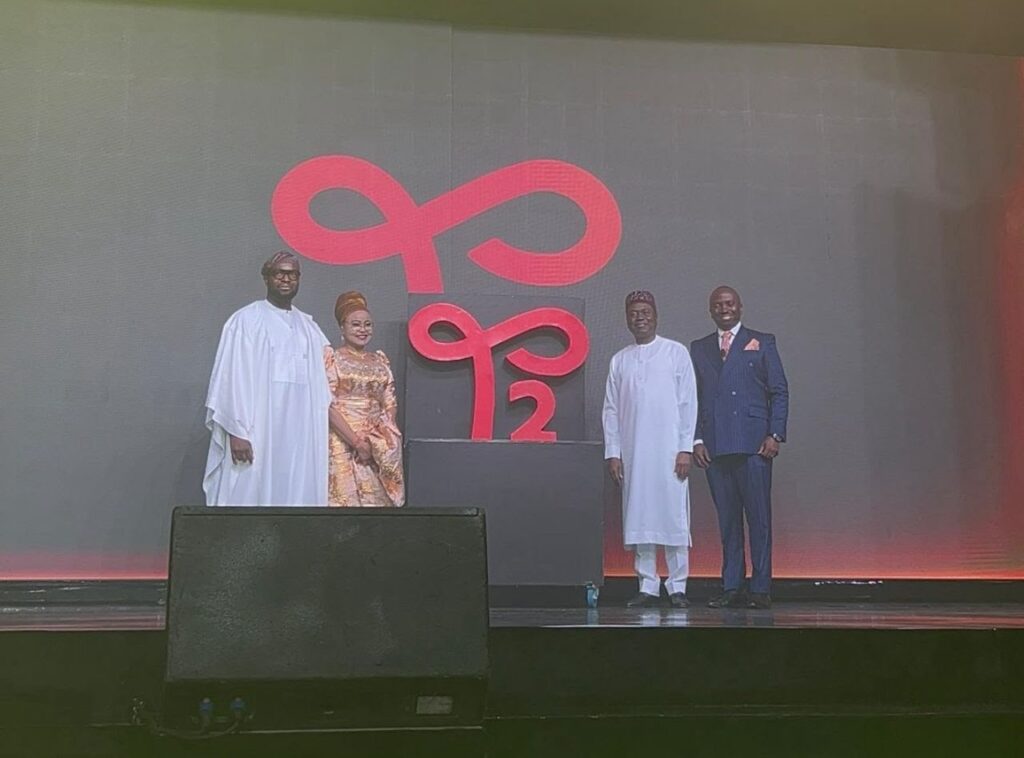
He added at the launch in Lagos, “We are no longer who we were; we are becoming something greater, more ambitious, and more in tune with the future.” Dr Bosun Tijani, the Minister of Communications and Digital Economy, and other people from the industry were at the occasion.
T2 wants to become a fully digital operator, using cloud infrastructure, AI, and advanced analytics to offer personalised solutions and speed up service rollouts.
This plan is meant to help Nigeria’s growing number of entrepreneurs, creatives, and remote workers, who are pushing up the need for flexible and easy-to-use digital solutions.
Banigbe added that the problems of the past had made them stronger. “Our challenges are reminders, not defeats,” he remarked, emphasising the company’s renewed focus on making customer experience the most important thing.
The CEO thanked authorities, owners, partners, and personnel and dedicated the rebranding to “every Nigerian who wants something better.” He told the country to “reimagine, rebuild, and relaunch.”
After signing a big three-year nationwide roaming agreement with MTN Nigeria, the country’s biggest telecom company, the company changed its name. The Nigerian Communications Commission gave its OK to the transaction, which lets T2 users use MTN’s large network across the country.
This would improve coverage and service quality, especially in places that don’t get enough of them.
The alliance shows a larger tendency among Nigerian telecom companies to work together to make the most of their resources in a very competitive market.
9mobile started in 2008 as Etisalat Nigeria, a joint venture between the UAE-based Etisalat Group, the Mubadala Development Company, and Nigerian investors.
The company quickly acquired market share by offering 3G and 4G LTE services, which were aimed at Nigeria’s youth market. By 2012, it had over 15 million subscribers.
But in the end, regulatory issues, money problems, and tough competition took their toll. Etisalat Group had to leave in 2017 because their debts were getting out of control at almost $1.2 billion.
The business then changed its structure and name to 9mobile, and Teleology Holdings Limited bought a controlling interest in late 2018.